Vitality Aesthetics | Your Aesthetic Care Journey
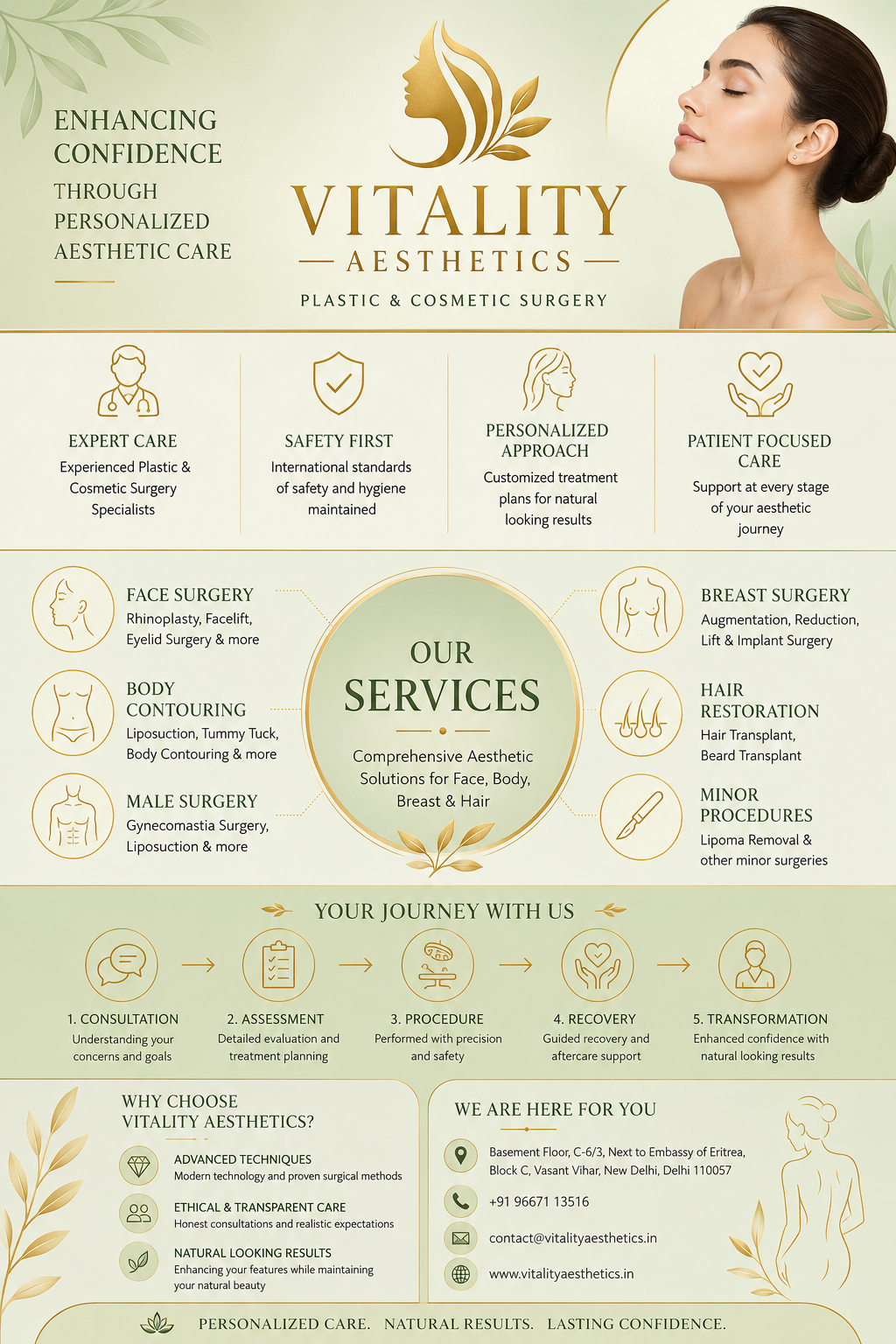
Navigating Your Aesthetic Care Journey in Delhi
Embarking on your aesthetic care journey is a significant milestone that combines personal aspirations with modern clinical science. Whether you are seeking subtle facial refinement, post-pregnancy body restoration, or structural contouring, understanding each stage of the process empowers you to make thoughtful, well-informed decisions. In a vibrant medical hub like New Delhi, patients have access to advanced surgical modalities and highly skilled specialists. However, navigating the landscape of options requires clear, unbiased medical insight. A structured treatment framework prioritizes patient safety, ethical consultation, and realistic anatomical goal-setting, ensuring that your experience is as reassuring as it is transformative.
At Vitality Aesthetics, located in Vasant Vihar, South Delhi, every treatment pathway is built around individualized clinical care. A successful surgical or non-surgical outcome is never the result of a standardized approach; rather, it stems from a deep understanding of human anatomy, surgical physics, and patient-specific healing patterns. By approaching your aesthetic care journey with patience, research, and open communication with a qualified medical professional, you lay the foundation for safe treatment and satisfying, natural-looking results.
Understanding the Foundations of Modern Aesthetic Medicine
Modern cosmetic and reconstructive surgery has evolved far beyond aggressive transformations and artificial standards. Today, the discipline focuses on anatomical balance, tissue preservation, and structural integrity. The primary objective is to enhance an individual’s existing features while respecting their natural physical frame and underlying skeletal structure.
When exploring plastic surgery in Delhi, patients encounter two primary pathways: surgical interventions and non-surgical aesthetic enhancements. Non-surgical treatments, such as skin rejuvenation, dermal volumization, and neuromodulators, excel at managing surface texture, light fine lines, and subtle volume loss. However, when tissue laxity, structural volume depletion, or significant anatomical contours require realignment, surgical solutions remain the definitive clinical option.
Understanding the distinction between these modalities is a key early step in your treatment path. Surgery addresses deeper anatomical layers, such as the SMAS in facial rejuvenation or diastasis recti in abdominal restoration. A comprehensive consultation helps determine whether your physical goals require structural surgical correction or can be effectively supported through less invasive treatments.
Key Stages of a Patient-Centered Consultation
The consultation serves as the medical baseline for your entire surgical experience. It is not merely an administrative meeting, but an in-depth clinical evaluation where safety, expectations, and surgical feasibility are thoroughly analyzed.
During an initial meeting at a reputable cosmetic surgery clinic in Delhi, your attending surgeon conducts a detailed assessment that typically covers several critical parameters:
- Medical History Review: A thorough check of prior surgeries, existing health conditions, allergies, bleeding tendencies, and current medications to ensure surgical and anesthesia safety.
- Anatomical Evaluation: A precise examination of skin elasticity, tissue density, underlying muscle tone, and bone structure in the target treatment area.
- Goal Alignment and Expectation Management: A realistic discussion about what surgical techniques can and cannot achieve, ensuring alignment between patient desires and physical realities.
- Risk Analysis and Consent: A detailed explanation of potential surgical risks, recovery timelines, expected scarring, and necessary post-operative care measures.
An ethical medical practice gives equal importance to identifying when a procedure may not be advisable. If a candidate presents unrealistic expectations or underlying medical risks that compromise safety, a responsible surgeon will counsel against immediate surgery or suggest safer alternative approaches.
Facial and Body Procedures: Aligning Goals with Surgical Techniques
Every anatomical area presents unique structural considerations. Understanding how common procedures are planned and executed helps clarify what to expect during your surgical journey.
Facial Plastic Surgery and Rejuvenation
Facial plastic surgery aims to restore harmony, definition, and structural support across the facial features. Surgical techniques in this domain require meticulous precision to maintain natural movement and balance.
- Rhinoplasty: Addresses structural and aesthetic concerns of the nose, such as dorsal humps, tip projection, or septal deviations. The goal is to create visual symmetry with the chin and forehead while protecting or enhancing nasal airway function.
- Blepharoplasty: Removes excess skin and repositioned fat deposits from upper or lower eyelids, correcting hooded lids or under-eye bags to restore a refreshed appearance.
- Facelift and Neck Lift: Repositions deeper facial muscle layers and removes redundant skin along the jawline and neck, creating defined contours without a tight or artificial appearance.
Body Contouring and Sculpting
Body procedures focus on reshaping localized areas where stubborn adipose tissue or loose skin persists despite diet and physical exercise.
- Liposuction and Liposculpture: Targets localized fat deposits using precise, minimally invasive cannulas to refine contours along the abdomen, flanks, thighs, or arms.
- Abdominoplasty (Tummy Tuck): Removes excess skin and tightens weakened or separated abdominal muscles following pregnancy or weight loss, restoring a firmer central core.
- Gynecomastia Correction: Combines glandular tissue excision and liposuction to address enlarged breast tissue in men, restoring a flat, masculine chest profile.
Breast Aesthetic and Restorative Procedures
Breast surgery encompasses restorative and aesthetic procedures tailored to individual body proportions and physical comfort.
- Breast Augmentation: Utilizes medical-grade implants or autologous fat transfer to restore volume, correct developmental asymmetry, or enhance fullness.
- Breast Reduction and Lift: Reduces excessive breast volume to relieve neck and back strain, or lifts sagging tissue (mastopexy) to elevate the breast complex into a higher position.
Evaluating Clinical Standards and Surgeon Qualifications in South Delhi
Choosing the right surgical team and facility is one of the most vital decisions in your aesthetic path. While online research often presents terms like best plastic surgeon in Delhi or best aesthetic clinic in Delhi, these terms represent common patient search queries rather than official medical titles. Patients should evaluate providers using objective clinical criteria rather than promotional statements.
When researching facilities across New Delhi and the broader Delhi NCR region, evaluate these essential factors:
- Board Certification and Medical Credentials: Verify that your surgeon holds formal qualifications (such as MCh or DNB in Plastic and Reconstructive Surgery) from recognized medical boards and universities.
- Facility Accreditation and Infrastructure: Ensure that surgical procedures take place in accredited operating theaters equipped with modern monitoring equipment, sterile airflow systems, and emergency support protocols.
- Anesthesia Safety Protocols: Inquire about the qualifications of the medical team, ensuring that board-certified anesthesiologists manage patient monitoring throughout any procedure requiring sedation or general anesthesia.
- Transparent Fee Structures: A professional practice provides clear breakdowns of plastic surgery cost in Delhi, explaining facility fees, surgeon fees, anesthesia costs, and follow-up care inclusions without hidden additions.
- Post-Operative Support Systems: Confirm that the clinic provides accessible post-procedure care, emergency contact channels, and structured follow-up appointments.
At a dedicated cosmetic clinic in Delhi, these standards ensure that clinical safety remains the top priority before, during, and after your surgical procedure.
Preparing for Procedure Day and Managing Healing
Preparation is a vital phase of your surgical experience that directly impacts both safety and surgical outcomes. Once you and your surgeon agree on a customized treatment plan, a detailed pre-operative protocol is established.
Pre-operative preparation typically involves routine medical clearance, including blood investigations, chest imaging, and ECG testing to confirm systemic health. Patients are advised to discontinue blood-thinning medications, specific supplements, and nicotine products well in advance of surgery. Nicotine severely impairs blood circulation and tissue healing, significantly increasing the risk of wound complications and delayed recovery.
On the day of your procedure, strict sterile protocols are enforced from the moment you enter the surgical facility. The medical team reviews your surgical plan, completes pre-procedure markings, and prepares you for anesthesia. Throughout the operation, continuous physiological monitoring ensures stability and safety.
Immediately following surgery, you transition to a dedicated recovery room where specialized nursing staff monitor your vital signs, manage initial discomfort, and ensure proper emergence from anesthesia. Clear verbal and written post-operative instructions are provided before you are discharged home or transferred to a private inpatient room.
Post-Surgical Recovery and Long-Term Results
The healing phase is a gradual process that requires patience, rest, and compliance with post-operative guidelines. While surgical execution creates the structural foundation, proper post-operative care determines the final quality of tissue healing and scar maturation.
During the initial recovery phase, temporary swelling, mild bruising, and localized discomfort are normal physiological responses as tissues heal. Patients are usually fitted with specialized compression garments following body contouring or breast surgery to minimize fluid retention, support newly shaped contours, and promote skin retraction.
Key principles for a smooth recovery include:
- Adhering to Activity Restrictions: Avoiding strenuous exercise, heavy lifting, and sudden bending during the initial four to six weeks prevents internal bleeding, seroma formation, and wound disruption.
- Wound Care and Hygiene: Following exact guidelines for dressing changes, incision cleanliness, and topical treatments minimizes infection risks and promotes discreet scar formation.
- Attending Follow-Up Consultations: Scheduled visits allow your surgeon to monitor healing progress, remove sutures if necessary, and adjust recovery plans as your body adapts.
- Maintaining Healthy Habits: Proper hydration, balanced nutrition rich in proteins and vitamins, and complete avoidance of smoking accelerate tissue repair and support long-term surgical results.
Final aesthetic outcomes evolve over several months as tissue swelling fully resolves, surgical scars soften, and underlying structures settle into their permanent positions. Maintaining stable body weight and healthy lifestyle habits ensures that your results remain stable and satisfying over time.
Frequently Asked Questions
How do I prepare mentally and physically for my aesthetic care journey?
Preparing for surgery begins with setting clear, personal goals and maintaining realistic expectations about what surgical procedures can achieve. Physically, you should complete all required pre-operative medical evaluations, disclose your full health history, and pause smoking or blood-thinning medications as directed by your surgeon. Mentally, it is helpful to prepare your home environment for rest, arrange for a support person to assist you during the initial days after surgery, and allow ample time away from work or heavy responsibilities to heal without unnecessary stress.
What factors determine the total cost of cosmetic surgery in Delhi?
The overall investment required for a cosmetic or plastic surgery procedure depends on several clinical variables. Key factors include the complexity and duration of the operation, the expertise and credentials of the plastic surgeon, the facility and operating theater fees, the type of anesthesia administered, and any specialized medical supplies or implants required. Additionally, pre-operative diagnostic tests, post-operative compression garments, and follow-up care contribute to the total cost. A transparent medical consultation provides a detailed, customized fee breakdown based on your individual surgical plan.
How long will I need to take off from work after undergoing surgery?
Recovery timelines vary depending on the procedure performed, the extent of tissue modification, and individual healing rates. Minor procedures or targeted facial interventions may require only three to five days of light downtime. In contrast, major body contouring surgeries like abdominoplasty or combined procedures generally require ten to fourteen days before returning to desk-based work. Strenuous physical exertion, heavy lifting, and vigorous exercise must typically be avoided for four to six weeks to allow internal tissues to stabilize and heal properly.
What is the difference between plastic surgery and cosmetic surgery?
While plastic surgery and cosmetic surgery are closely related disciplines, their clinical focus differs. Plastic surgery is a broad medical specialty that encompasses both reconstructive and aesthetic procedures. Reconstructive surgery focuses on repairing tissue defects, congenital anomalies, or physical function lost due to trauma, burns, or disease. Cosmetic surgery, a sub-specialty within plastic surgery, focuses specifically on enhancing physical appearance, symmetry, and proportion in anatomically normal tissue. Qualified plastic surgeons are trained in both reconstructive and aesthetic principles.
How can I ensure minimal scarring after my surgical procedure?
Scarring is a natural part of the body’s wound healing process following any surgical incision. Experienced plastic surgeons strategically position incisions along natural skin folds, hair lines, or discreet anatomical contours to minimize visual prominence. To support optimal scar healing, patients should carefully follow all post-operative wound care instructions, protect healing incisions from direct sunlight exposure, avoid premature physical strain, and use recommended silicone scar gels or sheets once incisions have fully closed.
Are the results of body contouring and cosmetic surgery permanent?
Surgical procedures produce long-lasting structural changes by removing excess skin, repositioning deeper muscle layers, or extracting targeted fat cells. However, surgical results are still subject to the natural aging process, gravity, and significant lifestyle changes. While extracted fat cells do not return to treated areas, remaining fat cells can enlarge if significant weight gain occurs. Maintaining a stable body weight, eating a balanced diet, exercising regularly, and protecting skin quality help preserve your surgical outcome for many years.
What safety measures should I look for in a plastic surgery clinic in Delhi?
When choosing a clinic, ensure the facility operates accredited operating rooms equipped with monitoring technology, sterile airflow systems, and emergency medical equipment. Verify that procedures are performed by board-certified plastic surgeons assisted by qualified anesthesiologists and dedicated nursing staff. An ethical clinic prioritizes complete pre-operative health screenings, maintains transparent communication regarding risks, avoids exaggerated claims or high-pressure sales, and offers structured post-operative follow-up care throughout your healing journey.
Why is an in-person consultation essential before scheduling cosmetic surgery?
An in-person medical evaluation allows your surgeon to directly examine target tissue quality, evaluate skin elasticity, measure structural proportions, and review your complete health profile. This hands-on assessment is critical for determining whether surgery is safe and structurally feasible for your specific anatomy. Furthermore, the consultation provides an invaluable opportunity for you to ask questions, discuss expected timelines, understand scar placement, and build trust with your medical team before making any surgical commitment.
Navigating your aesthetic care journey is a deeply personal process that deserves expert medical guidance, complete transparency, and patient-centered care. Aesthetics is not about altering who you are, but about restoring balance, enhancing your natural proportions, and helping you feel completely comfortable in your own skin. By choosing experienced, board-certified medical professionals, prioritizing clinical safety over shortcuts, and allowing your body the necessary time to heal, you can approach your aesthetic goals with confidence and peace of mind.
If you are considering a cosmetic or reconstructive procedure, schedule a private evaluation with Vitality Aesthetics. Located in Vasant Vihar, South Delhi, our team provides ethical consultation, personalized treatment planning, and dedicated surgical care tailored entirely to your health and personal expectations.